
CBSE Class 8 Syllabus 2026-27
Complete NCERT syllabus, chapter list, important topics, study priorities, assessment guidance and a practical study plan.
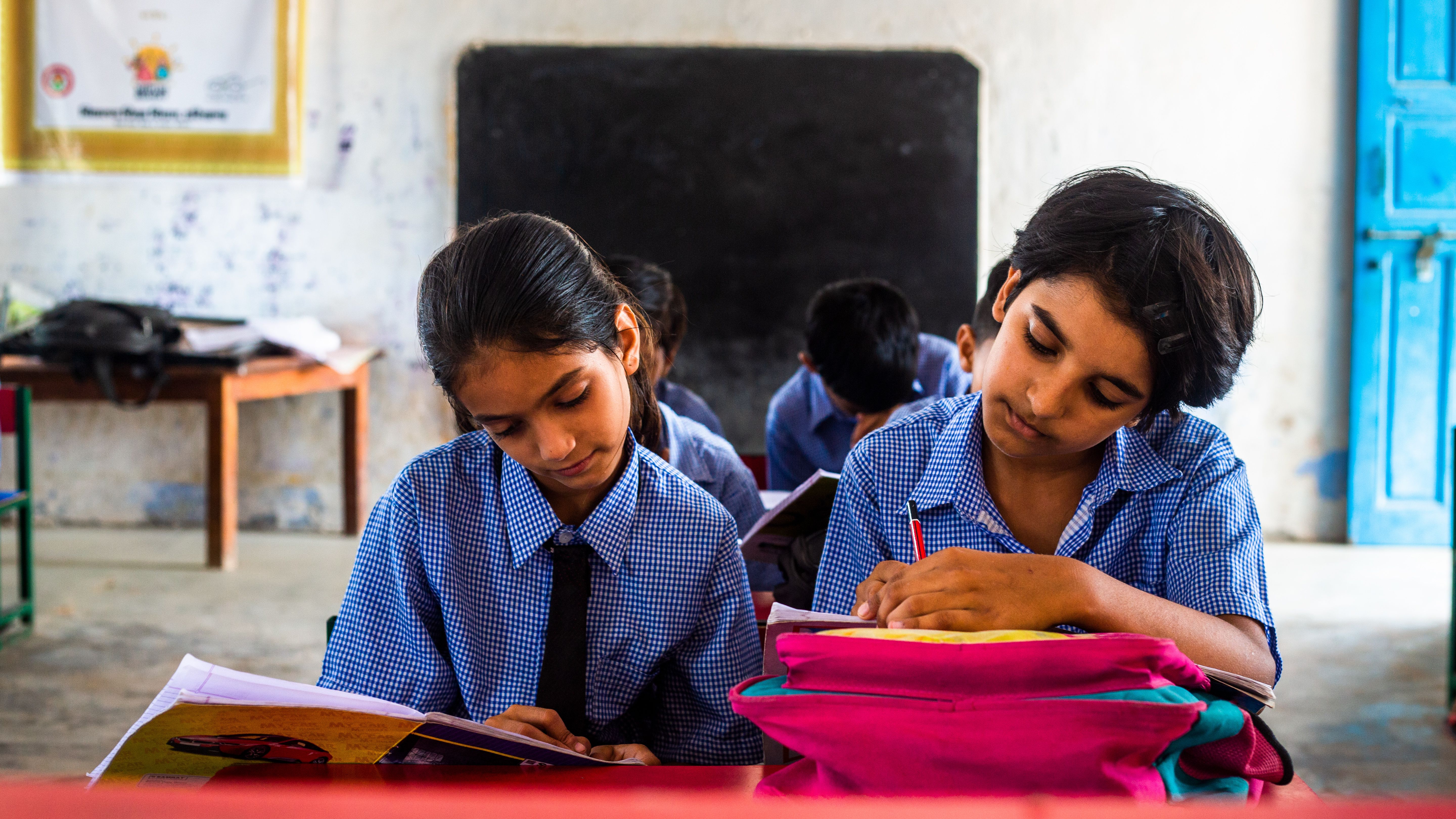
CBSE Class 8 Syllabus 2026-27 is part of the Middle Stage and is an important foundation before secondary-level study. For schools following the latest NCERT books, students are moving through a new set of textbooks designed around conceptual understanding, inquiry, application and interdisciplinary learning.
Class 8 NCERT Books 2026-27
| Subject | Current NCERT textbook | Key focus |
|---|---|---|
| Mathematics | Ganita Prakash — Part I & Part II | Number reasoning, geometry, proportional reasoning, algebra and area |
| Science | Curiosity | Scientific inquiry, matter, forces, electricity, light, health and environment |
| Social Science | Exploring Society: India and Beyond — Part I | Resources, Indian history, democracy and economic life |
| English | Poorvi | Literature, comprehension, vocabulary, grammar and writing |
| Hindi | Malhar | Literature, language, comprehension and writing |
Official links: CBSE Academic · NCERT Textbooks · NCERT CIET — Ganita Prakash · NCERT CIET — Curiosity · NCERT CIET — Poorvi.
Mathematics — Ganita Prakash
The current Class 8 Ganita Prakash has 14 chapters across two parts. NCERT’s approach emphasises mathematical thinking, exploration, problem solving and discussion rather than simply covering exercises quickly.
Part I
- A Square and a Cube
- Power Play
- A Story of Numbers
- Quadrilaterals
- Number Play
- We Distribute, Yet Things Multiply
- Proportional Reasoning–1
Part II
- Fractions in Disguise
- The Baudhayana–Pythagoras Theorem
- Proportional Reasoning–2
- Exploring Some Geometric Themes
- Tales by Dots and Lines
- Algebra Play
- Area
| Priority | Study first | Why |
|---|---|---|
| ★★★★★ | A Square and a Cube; Power Play | Build number-property and exponent foundations. |
| ★★★★★ | Quadrilaterals; Pythagoras Theorem | Important geometry and reasoning foundations. |
| ★★★★★ | Proportional Reasoning 1 & 2 | Strengthens ratio, proportion and application skills. |
| ★★★★★ | Algebra Play | Creates a bridge to secondary-school algebra. |
| ★★★★☆ | Fractions; Area | Requires regular calculation and application practice. |
Science — Curiosity
The current Curiosity book has 13 chapters. Science preparation should emphasise observation, explanation, diagrams, experiments and application-based questions.
- Exploring the Investigative World of Science
- The Invisible Living World: Beyond Our Naked Eye
- Health: The Ultimate Treasure
- Electricity: Magnetic and Heating Effects
- Exploring Forces
- Pressure, Winds, Storms, and Cyclones
- Particulate Nature of Matter
- Nature of Matter: Elements, Compounds, and Mixtures
- The Amazing World of Solutes, Solvents, and Solutions
- Light: Mirrors and Lenses
- Keeping Time with the Skies
- How Nature Works in Harmony
- Our Home: Earth, a Unique Life Sustaining Planet
| Priority | Focus | Study method |
|---|---|---|
| ★★★★★ | Electricity and magnetic effects | Learn concepts through diagrams and everyday applications. |
| ★★★★★ | Forces, pressure, winds and storms | Understand cause-effect relationships and examples. |
| ★★★★★ | Matter, elements, compounds and mixtures | Compare properties and practise classification. |
| ★★★★★ | Light: Mirrors and Lenses | Practise ray diagrams and observations. |
| ★★★★☆ | Earth, environment and living systems | Connect science with local and Indian examples. |
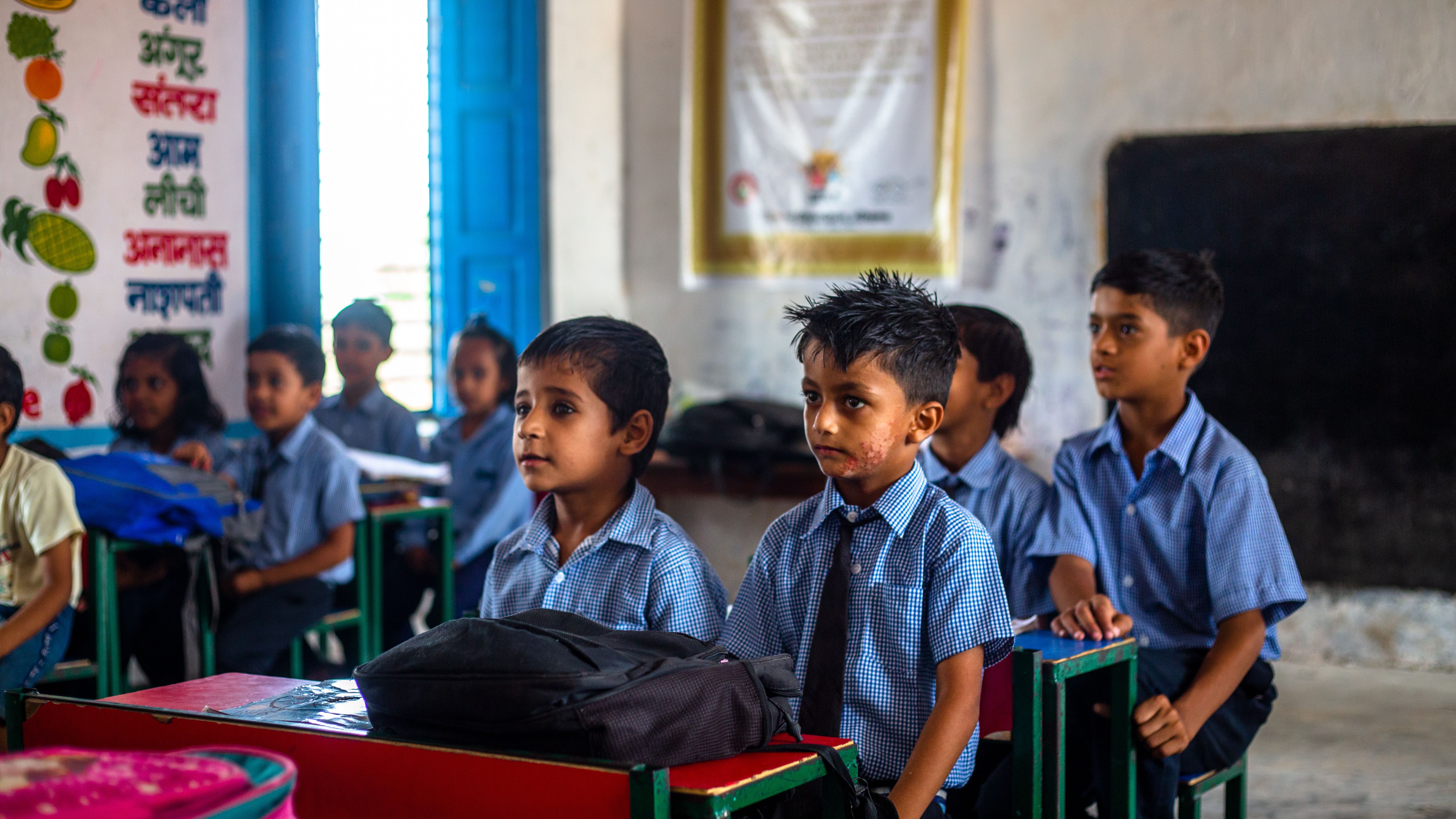
Social Science — Exploring Society: India and Beyond
The new Grade 8 Social Science textbook uses an integrated approach. Part I contains seven chapters and connects geography, history, governance and economic life.
| Chapter | Title | Study priority |
|---|---|---|
| 1 | Natural Resources and Their Use | ★★★★★ |
| 2 | Reshaping India’s Political Map | ★★★★★ |
| 3 | The Rise of the Marathas | ★★★★★ |
| 4 | The Colonial Era in India | ★★★★★ |
| 5 | Universal Franchise and India’s Electoral System | ★★★★★ |
| 6 | The Parliamentary System: Legislature and Executive | ★★★★★ |
| 7 | Factors of Production | ★★★★☆ |
For Social Science, students should give particular attention to maps, timelines, cause-and-effect relationships, sources, constitutional concepts, democracy and economic reasoning. These skills are more valuable than memorising isolated paragraphs.
English — Poorvi
Poorvi has five thematic units and 15 individual prose/poetry/reading pieces.
| Unit | Theme | Texts |
|---|---|---|
| 1 | Wit and Wisdom | The Wit that Won Hearts; A Concrete Example; Wisdom Paves the Way |
| 2 | Values and Dispositions | A Tale of Valour; Somebody’s Mother; Verghese Kurien – I Too Had a Dream |
| 3 | Mystery and Magic | The Case of the Fifth Word; The Magic Brush of Dreams; Spectacular Wonders |
| 4 | Environment | The Cherry Tree; Harvest Hymn; Waiting for the Rain |
| 5 | Science and Curiosity | Feathered Friend; Magnifying Glass; Bibha Chowdhuri |
Priority: comprehension, vocabulary, grammar, paragraph/report/dialogue writing, speaking and evidence-based answers.
Hindi — Malhar
The current Malhar Class 8 textbook contains 10 chapters.
- स्वदेश
- दो गौरैया
- एक आशीर्वाद
- हरिद्वार
- कबीर के दोहे
- एक टोकरी भर मिट्टी
- मत बाँधो
- नए मेहमान
- आदमी का अनुपात
- तरुण के स्वप्न
Practise पाठ-बोध, शब्द-भंडार, व्याकरण, लेखन and independent answers instead of copying model answers.
Class 8 Marks Weightage & Assessment
Schools may distribute marks through periodic tests, term examinations, projects, activities and other school-based assessments. Therefore, the ⭐ priorities on this page are TeachGyan study recommendations, not official marks weightage.
What Should Class 8 Students Study First?
- Maths: algebra, proportional reasoning, geometry, Pythagoras, fractions and area.
- Science: electricity, forces/pressure, matter, solutions and light.
- Social Science: natural resources, Indian history, colonialism, elections, Parliament and economic production.
- English: comprehension, writing, grammar and the five Poorvi themes.
- Hindi: पाठ-बोध, grammar, vocabulary and structured writing.
30-Day Class 8 Study Plan
| Week | Focus |
|---|---|
| 1 | Maths number/algebra + Science inquiry/matter + English reading |
| 2 | Geometry + Electricity/Forces + Social Science resources/history |
| 3 | Proportional reasoning + Light + Democracy/economic concepts + language writing |
| 4 | Mixed tests, maps, diagrams, revision and correction of weak areas |
Class 8 Resources on TeachGyan
After studying the NCERT chapter, students and teachers can use additional material for practice and revision.
👉 Explore Class 8 TeachGyan Resources
Official NCERT & CBSE Links
- NCERT Textbook Portal
- CBSE Academic Portal
- NCERT CIET — Class 8 Ganita Prakash
- NCERT CIET — Class 8 Curiosity
- NCERT CIET — Class 8 Poorvi
FAQs
Is Class 8 a CBSE board examination class?
No. Class 8 is not a CBSE board examination class. Schools conduct their own assessments.
Which Maths book is used for the new Class 8 NCERT curriculum?
The new book is Ganita Prakash, published in two parts with 14 chapters in the current 2026-27 edition. Verify on NCERT →
What is the new Class 8 Science book?
The current NCERT Science book is Curiosity, with 13 chapters in the current edition.
What is the new Class 8 English book?
The current NCERT English book is Poorvi, organised into five units.
Where should parents verify the syllabus?
Use the official NCERT textbook portal and your school’s 2026-27 academic plan. Curriculum and textbook availability can change during a transition year.
Last reviewed: September 2026. TeachGyan study priorities are editorial recommendations and should not be interpreted as official CBSE marks weightage.